



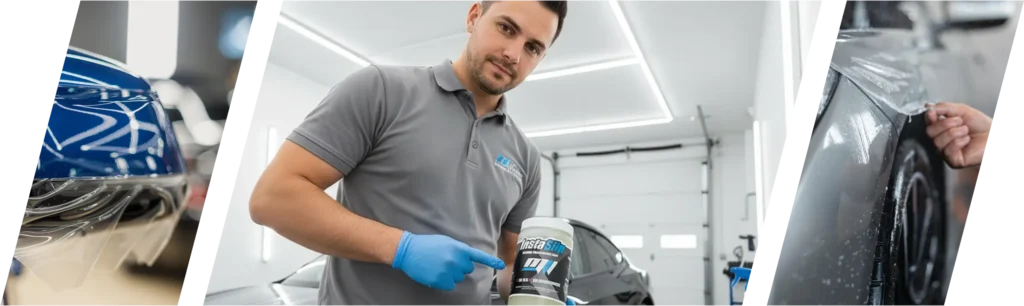
Baby shampoo has been the default PPF and tint slip solution for years, but it was never designed for film adhesive — and that mismatch is exactly what purpose-built products like InstaSlip address. The switch isn’t about marketing; it’s about what’s actually in the bottle.
What this guide covers
- Why Baby Shampoo Causes Problems
- What InstaSlip Does Differently
- Dilution Ratio
- Cost Comparison Over Time
- Bottom Line
Why Baby Shampoo Causes Problems
Baby shampoo (commonly Johnson’s) became the industry default slip solution because it was cheap, gentle, and widely available — not because it was formulated for film installation. Three ingredients built into most baby shampoo work against you on a PPF or tint job:
- Oils — many baby shampoo formulas contain conditioning oils meant to be gentle on skin and hair. On film adhesive, those same oils can interfere with proper bonding.
- Conditioning agents — designed to leave a residue on hair (that’s the point of a conditioner). On glass or paint under film, that residue doesn’t rinse away as cleanly as a water-based solution should.
- Inconsistent dilution — most installers eyeball a “few drops per bottle,” which means slip performance varies from bottle to bottle and installer to installer.
None of this means baby shampoo never works — plenty of installs have gone fine with it for years. But the residue and oil issues are a real, known mechanism for adhesion problems, not a hypothetical concern.
What InstaSlip Does Differently
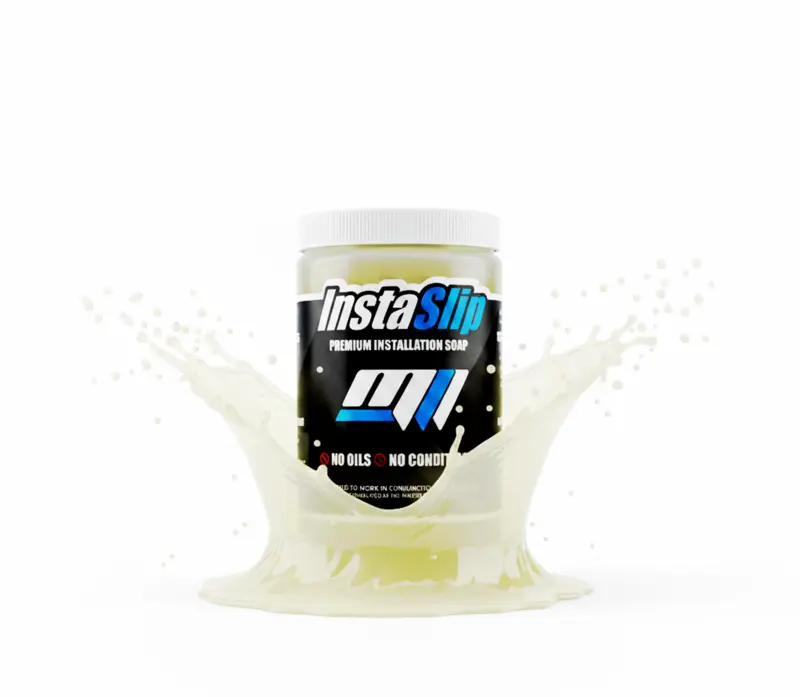
InstaSlip was built from the ground up for PPF and window film adhesive, specifically to remove the oil and conditioner problem. It contains no oils and no conditioners, so it flushes out completely with distilled water, leaving no residue behind under the film. It’s also designed with a wide-mouth bottle for precise syringe measuring, so your dilution is consistent every time instead of an eyeballed guess.
Dilution Ratio
Start with 5-8 mL of InstaSlip per 1 gallon of distilled water, depending on film type, and add in 1 mL increments per gallon until you reach your desired slip consistency. Always use distilled or reverse-osmosis water rather than tap water — minerals in tap water affect glide, tack, and clarity regardless of which slip solution you use.
Cost Comparison Over Time
On sticker price alone, baby shampoo wins — a bottle costs a few dollars and makes many gallons of diluted solution, while a 32 oz bottle of InstaSlip costs around $24. We’re not going to pretend otherwise. The real cost comparison isn’t the bottle price, it’s what happens when a slip solution leaves residue or affects adhesion on a job: a comeback, a redo, or a film that has to be pulled and reinstalled costs far more in labor and material than the few dollars saved on soap. We don’t have hard data on how often that happens with baby shampoo specifically, so we won’t invent a number — but it’s the logic installers cite when they say a purpose-built solution “pays for itself,” and it’s worth weighing against the upfront price difference.
Bottom Line
Baby shampoo is cheaper upfront and has worked for a long time. InstaSlip costs more per bottle but removes a known source of adhesion problems and gives you a consistent, repeatable dilution every time. Which matters more depends on how much a single comeback or redo costs you compared to the price difference in soap.
Related reading: PPF Installation Gel vs Slip Solution | How to Prevent PPF Silvering and Lift Lines
The install solutions
Match the fluid to the job — most pro shops keep all four on the shelf:
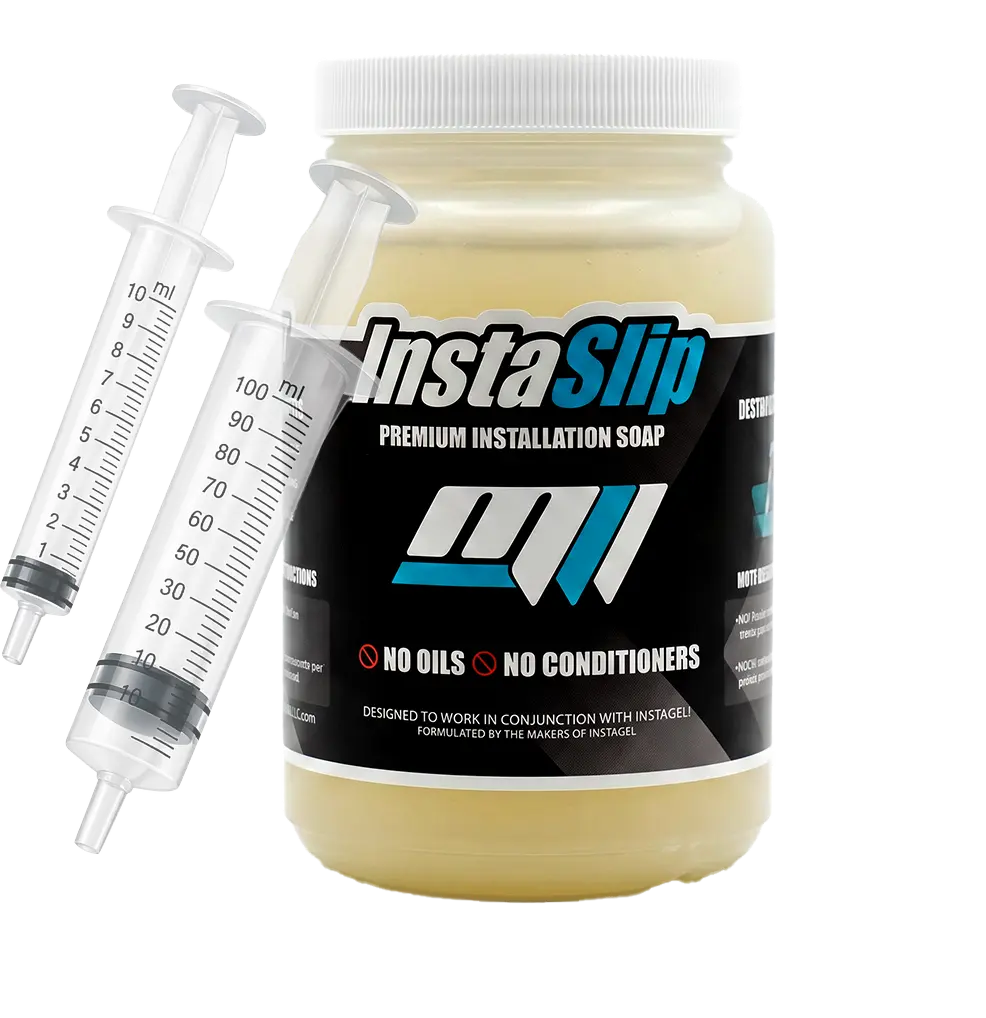 InstaSlipOil-free slip — slide film into position, flush clean, zero residue.$23.99Shop →Installation Gel
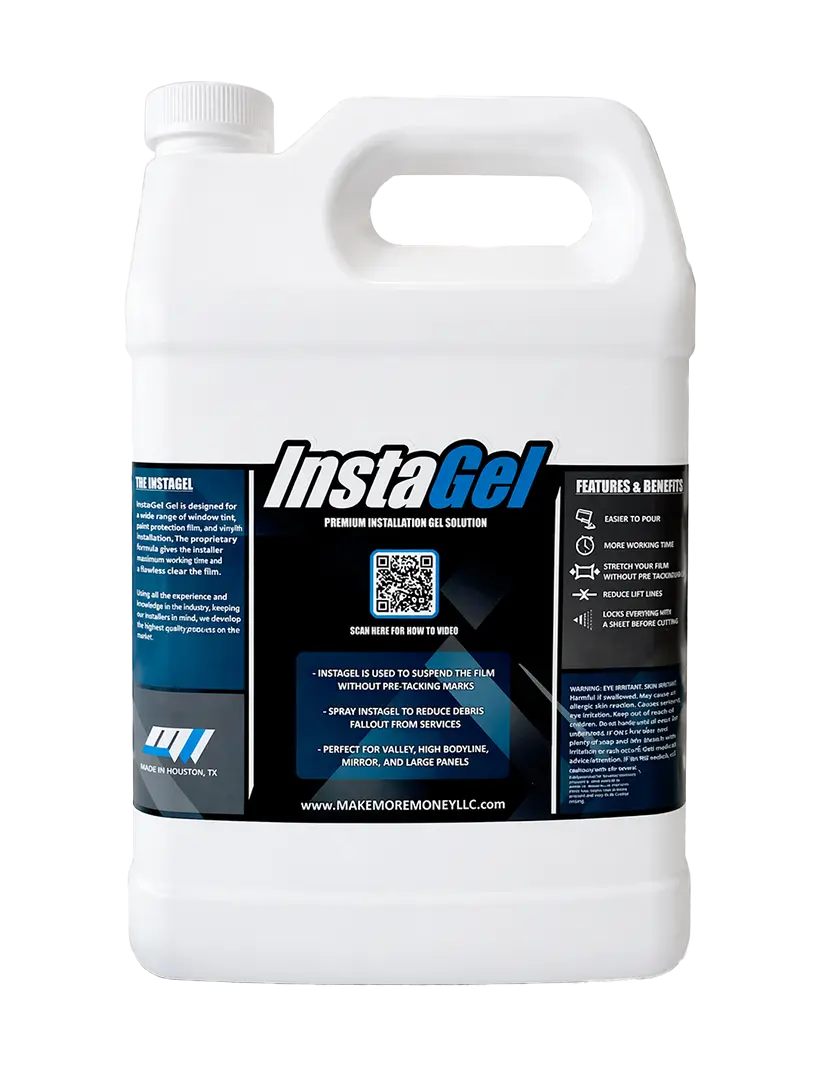 InstaGelControlled slip for big PPF panels — no silvering, no lift lines.$32Shop →Tack Solution
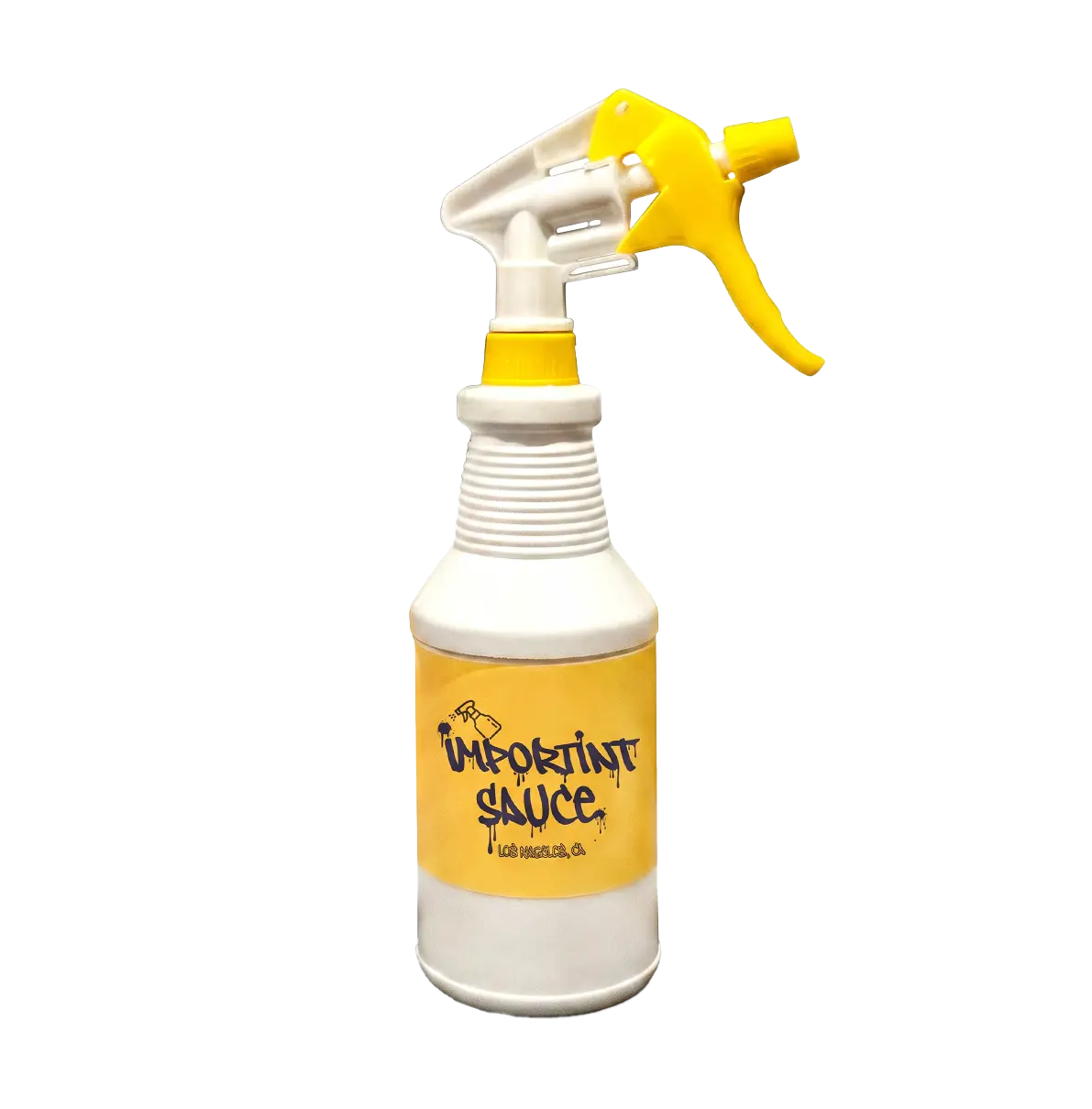 ImporTint SauceMakes edges grab — the go-to for dot-matrix borders.$30Shop →Tack Control
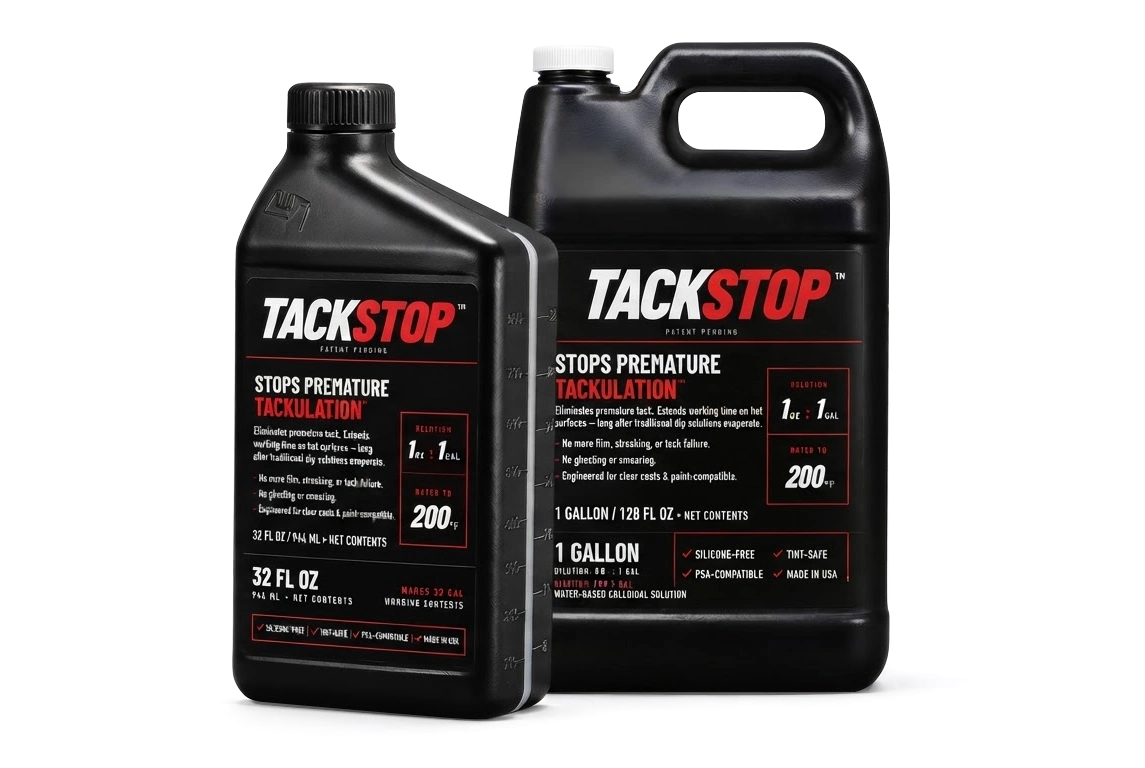 TackStop – Window Film Tack Control SolutionStops premature tack on hot glass — 3–5× more working time.$27Shop →
Stock the fluids that make installs bulletproof
Slip, tack, gel and tack-control solutions at dealer pricing, shipped nationwide.
Shop Install Solutions