



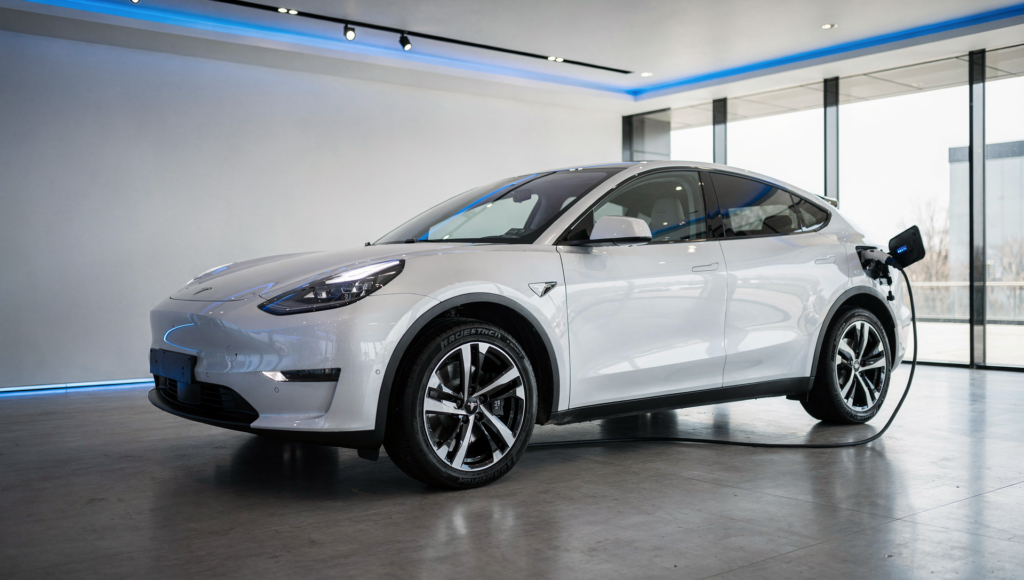
Electric vehicles have become one of the fastest-growing segments in window tint and paint protection film — and they bring requirements a combustion car does not. Bigger glass, huge panoramic roofs, soft factory paint and a cabin that loses range every time the climate control fights the sun. This guide covers EV and Tesla window tint and PPF for owners and installers.
The quick version
- EVs have far more glass — panoramic roofs make heat rejection a range issue, not just comfort.
- Use non-metallic ceramic film: metallised tint can interfere with the sensors and antennas EVs rely on.
- Tesla factory paint is famously thin and soft, which is why PPF uptake on EVs is so high.
- Tint plus PPF bundles are the standard premium package heading into 2026.
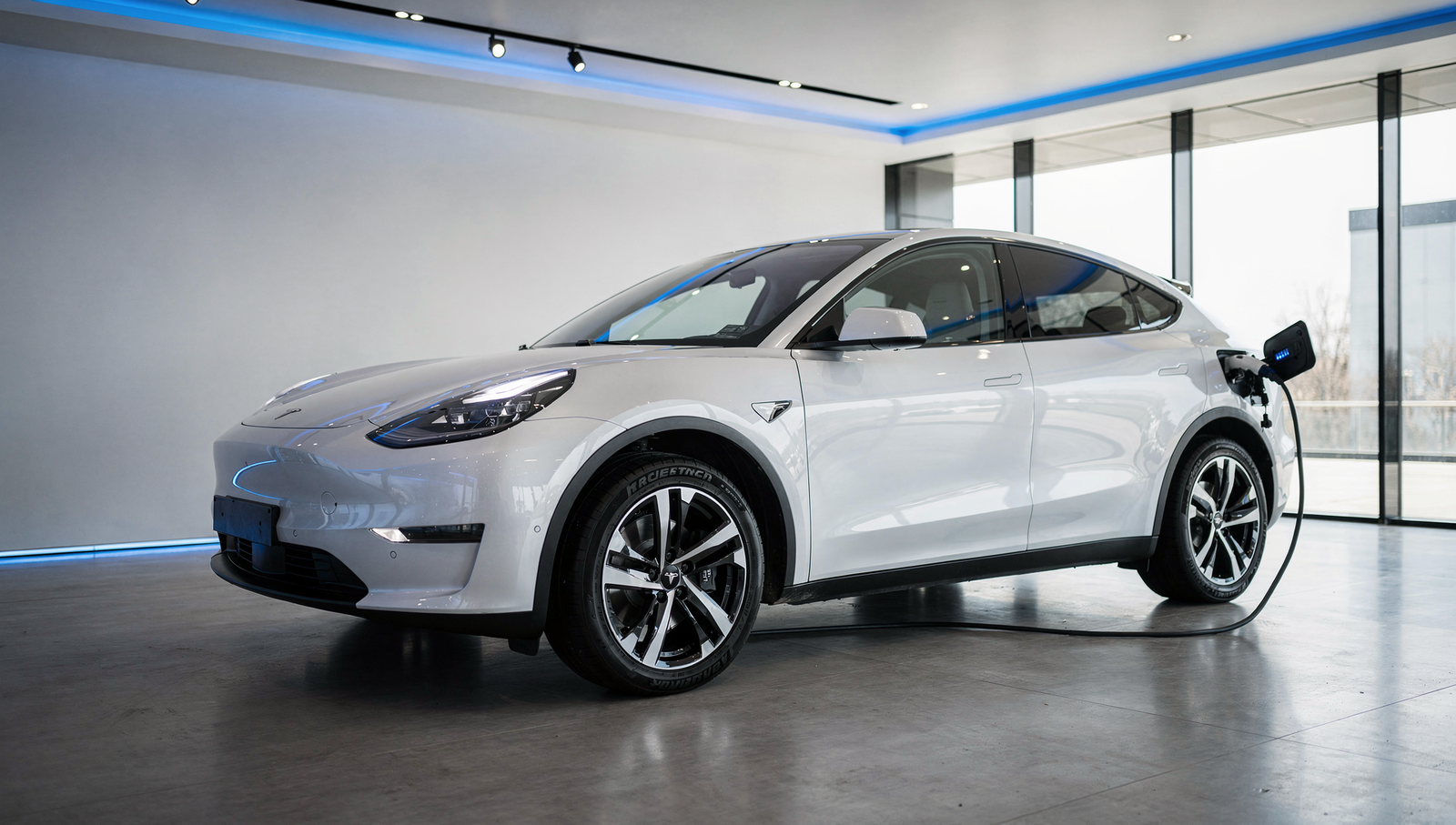
Why EVs are different
- Glass area — panoramic roofs and frameless doors mean much more solar load than a conventional car.
- Range — air conditioning draws from the same battery that moves the car, so cabin heat costs miles.
- Electronics — EVs depend on cameras, radar, keyless entry and constant connectivity.
- Paint — several EV makers, Tesla included, are known for thin, soft factory paint that chips early.
Why ceramic tint, specifically
This is the one technical rule that matters on an EV: avoid metallised film. Older metallic tints are conductive and can interfere with the antennas, keyless entry and driver-assist sensors an EV relies on. Nano-ceramic film is non-metallic, so it delivers the highest infrared heat rejection with zero signal interference.
Because ceramic rejects heat by targeting infrared rather than by being dark, a lighter, legal shade still cuts serious heat — ideal for a glass roof. See what ceramic window tint is and the VLT percentage guide.
The panoramic roof question
A glass roof is the single biggest source of cabin heat on most EVs. Many come with a factory IR coating, but that is usually about UV and glare rather than maximum infrared rejection. A quality ceramic film on the roof measurably drops cabin temperature, reduces how hard the climate system works, and protects the interior from UV fade. It is also the panel owners most often report as the most worthwhile.
PPF on electric vehicles
Soft factory paint plus instant torque plus high-mileage highway driving is a recipe for chips. Paint protection film is a clear urethane layer that absorbs rock strikes and self-heals light swirls with heat. The usual coverage levels:
| Coverage | What it protects | Best for |
|---|---|---|
| Partial front | Bumper, partial hood & fenders, mirrors | Budget-conscious; covers the worst impact zone |
| Full front | Full hood, fenders, bumper, mirrors | The most popular balance of cost and protection |
| Track pack / full body | Every painted panel | Maximum protection and resale value |
| High-wear extras | Door cups, sills, luggage area | Cheap insurance on daily-use edges |
For film types and pricing see our PPF buyer’s guide and how much PPF costs.
Installer notes: EVs are not a normal install
- Large single panels — roofs and long door glass need extended working time, especially in summer.
- Frameless doors — tighter tolerances at the top edge; edge control matters.
- Sensor zones — check camera and sensor housings before laying film near the windshield.
- Soft paint — be deliberate with prep and squeegee pressure on PPF work.
- Static-heavy interiors — keep panels wet and the space clean to limit dust attraction.
Large panels are exactly where solution dry-out causes creases — see tacking too fast on hot glass.
Shop EV-ready film
Non-metallic ceramic tint and clear PPF, stocked at dealer pricing:
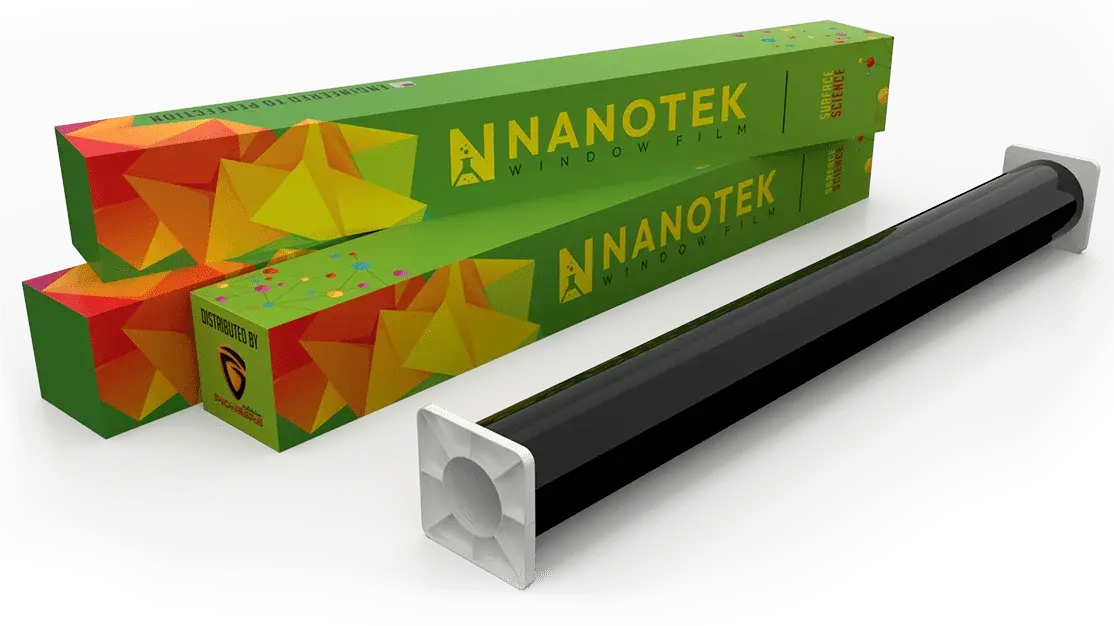 NanoTek Prizm Ceramic Plus Window TintNanoTek Prizm Ceramic Plus — maximum IR rejection, zero signal interference.$205Shop →CarbonNanoTek Prizm Carbon Window TintNanoTek Prizm Carbon — non-metallic, deep matte look, great value.$145Shop →Premium PPF
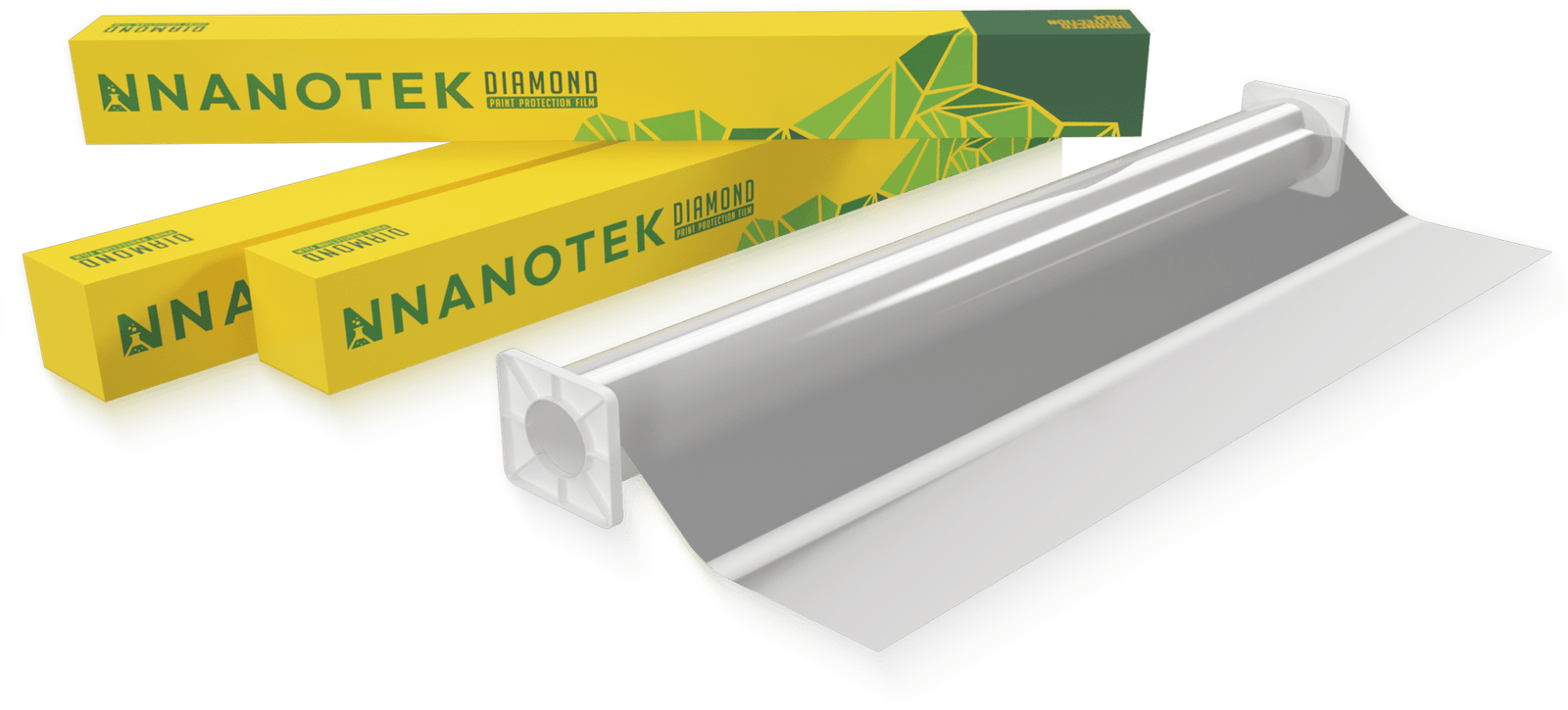 NanoTek DiamondNanoTek Diamond — top-tier self-healing clear paint protection film.$480Shop →Clear PPF
 NanoTek Prime Clear Gloss PPFNanoTek Prime Clear Gloss PPF — everyday chip protection for painted panels.$150Shop →
EV & Tesla tint and PPF FAQs
Non-metallic nano-ceramic film. It gives the highest infrared heat rejection without interfering with the antennas, keyless entry and driver-assist sensors EVs depend on.
Indirectly, yes. Less solar heat in the cabin means the air conditioning works less, and on an EV that climate load comes from the traction battery — so a cooler cabin preserves range in hot weather.
It is usually the single most effective panel to treat. Factory glass is often tuned for UV and glare rather than maximum infrared rejection, so a ceramic film noticeably lowers cabin temperature.
They benefit more than most cars. Several EV makers use thin, soft factory paint that chips easily, so PPF on the front end is a common first upgrade.
Only metallised film is a risk, because it is conductive. Ceramic and carbon films are non-metallic and do not interfere with signals or sensors.
Wholesale ceramic tint & PPF for EV work
NanoTek ceramic tint and clear PPF at dealer pricing, with consistent stock.
Become a Dealer