



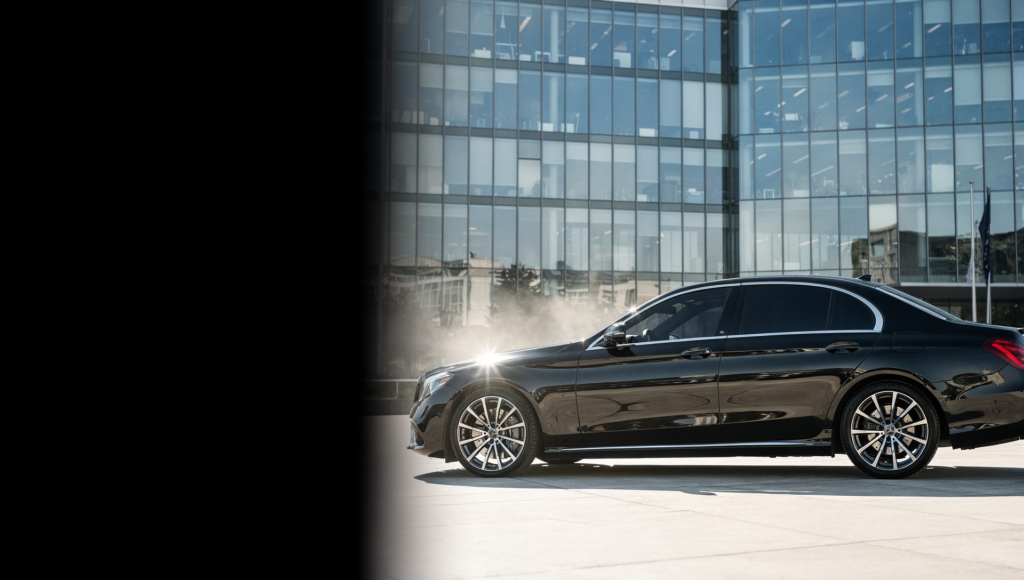
Ceramic window tint is the highest-performing automotive tint you can buy — but “ceramic” is more than a marketing word. This guide explains exactly what ceramic window tint (also called nano-ceramic tint) is, how it blocks heat and UV, how it compares to dyed and carbon film, and whether it’s worth the extra cost.
The quick version
- Ceramic (nano-ceramic) tint uses microscopic ceramic particles to reject infrared heat and UV — the best-performing tint type.
- It rejects the most heat, never fades, and causes zero phone/GPS interference — even at lighter shades.
- Shade darkness (VLT) is about looks and legal limits; the ceramic technology is what actually keeps the cabin cool.
What is ceramic window tint?
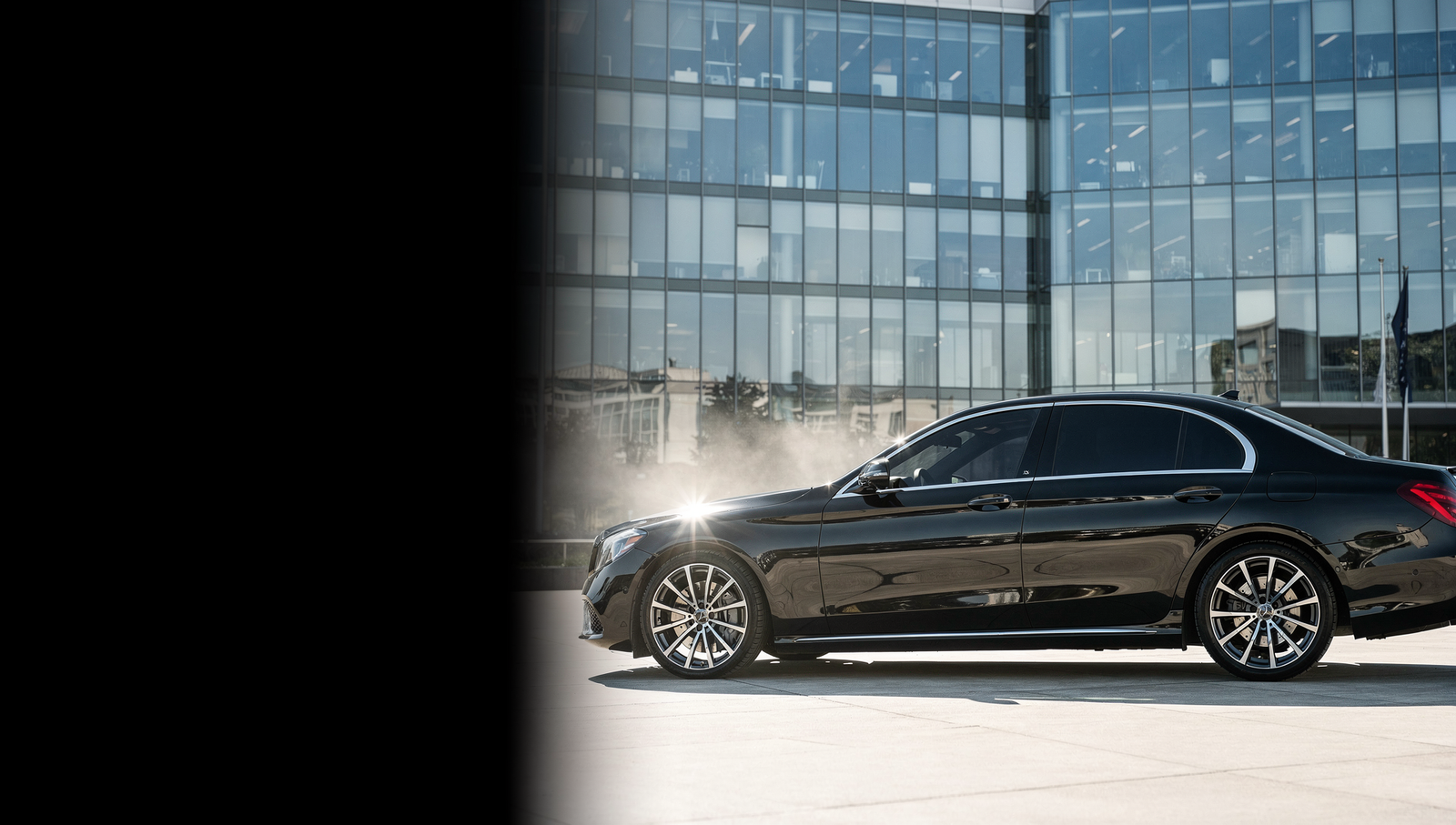
Ceramic window tint is a film built with a layer of microscopic, non-metallic ceramic nanoparticles. Those particles are engineered to absorb and reflect infrared (IR) radiation — the part of sunlight you feel as heat — and to block 99% of UV rays, while staying optically clear so visibility isn’t reduced. Because the particles are non-metallic and non-conductive, ceramic tint does not interfere with phone, GPS, or radio signals the way older metallic films do.
How ceramic tint works
Regular dyed tint simply darkens the glass with a dye layer, which blocks glare but very little heat. Ceramic tint is different: the nano-ceramic layer targets the infrared wavelengths specifically, so it can reject a large share of the sun’s heat independent of how dark the film looks. That’s why a light, nearly-clear ceramic film can keep a cabin cooler than a dark dyed film.
- Infrared heat rejection — the cabin stays noticeably cooler in traffic and parked in the sun.
- 99% UV rejection — protects skin and stops the dashboard and upholstery from fading.
- Optically clear — no hazy or mirrored look; crisp night-time visibility.
- No signal interference — non-metallic, so phone/GPS/keyless entry work normally.
- Fade-proof — ceramic never turns purple or bubbles like cheap dyed film.
Ceramic vs carbon vs dyed tint
| Type | Heat rejection | Fade resistance | Signal interference | Price |
|---|---|---|---|---|
| Dyed | Low | Fades over time | None | $ |
| Carbon | Medium | Excellent | None | $$ |
| Nano-Ceramic | Highest | Excellent | None | $$$ |
Want the full breakdown of all three? Read ceramic vs carbon vs dyed window tint.
Is ceramic tint worth it?
For anyone in a hot climate, driving all day, or keeping a car for years — yes. Ceramic rejects the most heat, protects the interior from UV, and stays clear and fade-free for the life of the film. It costs more than dyed or carbon, but it’s the only tint that delivers serious heat rejection at any shade. Our NanoTek Prizm Ceramic Plus is a premium nano-ceramic film built for exactly this.
Shop NanoTek window tint film
Carbon and nano-ceramic tint for installers, at wholesale:
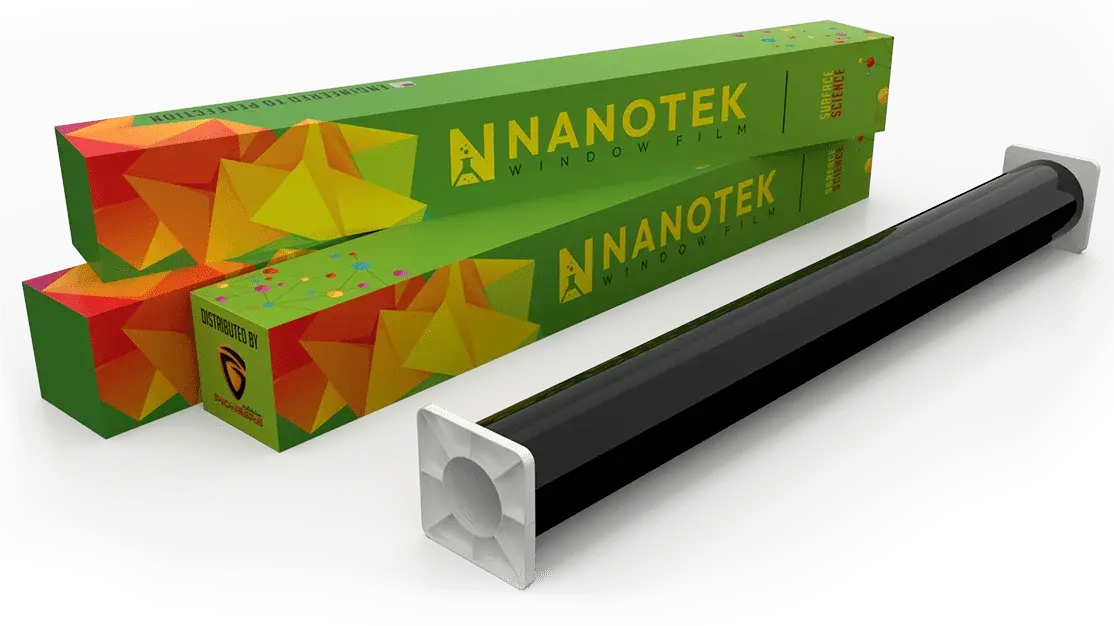 NanoTek Prizm Ceramic Plus Window TintPrizm Ceramic Plus — maximum heat & UV rejection, stays optically clear.$205Shop →CarbonNanoTek Prizm Carbon Window TintPrizm Carbon — deep matte look, no signal interference, great value.$145Shop →Display Boards
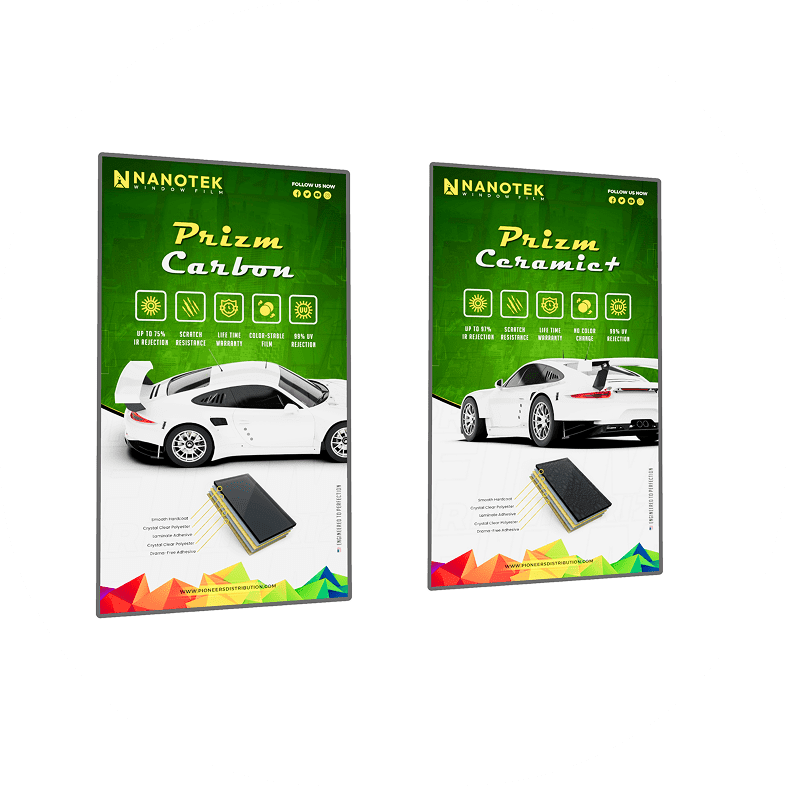 NanoTek Prizm Display BoardsShow customers the shade & heat difference in the showroom.$150Shop →
Ceramic window tint FAQs
Yes. Ceramic particles are engineered to reject infrared (heat-carrying) light while staying clear, so the cabin stays cooler even at lighter shades — unlike dyed film, which mostly just darkens the glass.
For heat rejection, UV protection, longevity and clarity, yes — especially in hot climates or on a car you keep for years. It rejects the most infrared heat and never fades to purple.
Both resist fading and avoid signal interference, but ceramic rejects more infrared heat and holds optical clarity better, which is why it sits at a higher price point.
No. Ceramic film is non-metallic, so it does not block phone, GPS, or radio signals the way older metallic films can.
Quality nano-ceramic film lasts the life of the vehicle without fading, bubbling, or turning purple, and typically carries a lifetime warranty.
Stock premium ceramic & carbon tint
NanoTek Prizm nano-ceramic and carbon window tint for installers, at wholesale dealer pricing.
Shop Window Tint